

What is the principle of a surfboard?
Publish Time:
2025-01-05 10:54
Source:
How does a surfboard work?
Sea breezes propel waves, while the ocean's gravity attempts to restore calm, causing water particles to compress, generating pressure within the ocean. Water and waves move synchronously, transferring energy. As waves approach the surfboard, turn the surfboard in the same direction as the wave and attempt to glide to match the wave's speed. The surfboard forms an angle with the water's surface, and the pressure generated at the bottom allows the surfboard to move quickly on the water.
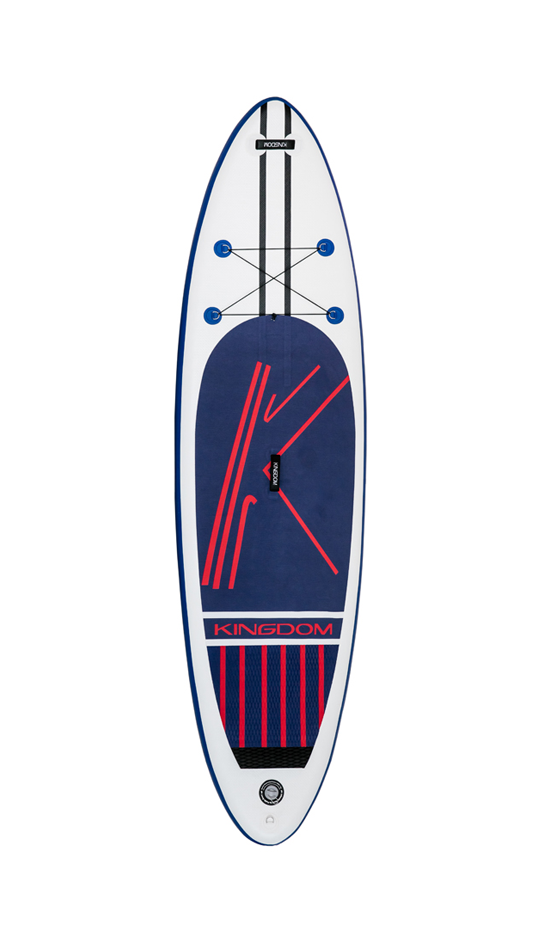
A surfboard is a piece of sports equipment used for surfing. Initially, surfboards were approximately 5 meters long and weighed 50-60 kilograms. After World War II, foam plastic boards appeared, and their shape was improved. Surfing is a water sport where athletes stand on surfboards or use nets, kneeboards, inflatable rubber pads, kayaks, canoes, etc., to control waves. Regardless of the equipment used, athletes must possess superb skill and balance, and be proficient in long-distance swimming in windy waves. Surfing is a sport where athletes lie or kneel on a surfboard, paddling to a suitable wave location as a starting point. As the wave propels the surfboard, the athlete keeps the surfboard upright in front of the wave crest, with legs naturally apart (usually the balance leg in front, the control leg in back), knees slightly bent, and the surfboard gliding rapidly with the wave.
As early as 1778, British explorer Captain Cook observed this activity among the local inhabitants of the Hawaiian Islands. After 1908, surfing spread to some European and American countries. After 1960, surfing spread to Asia. In the last one or two decades, surfing has made significant progress. Major surfing competitions have been held in North America, Peru, Hawaii, South Africa, and the east coast of Australia. Surfing is wave-driven and should be done on stormy beaches. Wave height should be approximately 1 meter, and smaller waves should not be less than 30 centimeters. The Hawaiian Islands have suitable waves for surfing year-round, especially in winter or spring, with waves from the North Pacific reaching 4 meters high, allowing athletes to glide over 800 meters. Therefore, the Hawaiian Islands have always been the center of world surfing.
Initially, surfboards were approximately 5 meters long and weighed 50-60 kilograms. After World War II, foam plastic boards appeared, and their shape was improved. Today's surfboards are 1.5 to 2.7 meters long, 60 centimeters wide, and 7 to 10 centimeters thick. They are lightweight and flat, slightly narrower at the front and back. There is a tail at the bottom of the back, which plays a stabilizing role. To increase friction, the surface of the board is also coated with a waxy outer layer. All surfboards weigh only 11-26 kilograms.
The front of a humpback whale's flippers has a wave-like structure that helps this enormous whale move more gracefully and smoothly through the water. This structure helps reduce drag and helps the humpback whale "catch" the water flow, ensuring they can move quickly despite their massive size. Inspired by this, surfboard manufacturer Fluid Earth produces a special surfboard with a corrugated front.
Other News
Soft Top Inflatable Surfboards: The Ultimate Family-Friendly Water Sport Gear
Soft Top Inflatable Surfboards: The Ultimate Family-Friendly Water Sport Gear Introduction to Soft Top Inflatable Surfboards In the realm of water sports, **soft-top inflatable surfboards** have emerged as a popular choice for families. Unlike traditional hard surfboards, these inflatable options are designed with safety, ease of use, and versatility in mind. They offer an excellent way for famili
The Ultimate Guide to Lightweight Inflatable Kayak Boats: Freedom on Water
Lightweight inflatable kayak boats have gained immense popularity among water sports enthusiasts and casual adventurers alike. Their innovative design combines the comfort of traditional kayaks with the convenience of portability, making them ideal for a variety of water activities, from serene lake paddling to challenging river excursions. This guide will delve into the numerous advantages that t
Get Ready for Waves: Inflatable Surfboards for Teen Enthusiasts
Get Ready for Waves: Inflatable Surfboards for Teen Enthusiasts Table of Contents Understanding Inflatable Surfboards Why Choose Inflatable Surfboards for Teens? Key Features to Look for in Inflatable Surfboards Top Inflatable Surfboards for Teen Enthusiasts Safety Tips for Surfing with Inflatable Boards Caring for Your Inflatable Surfboard Surfing Techniques for Begin
Choosing a Durable PVC Kayak for Beginners: Essential Insights
When starting your journey into kayaking, selecting the right watercraft can significantly enhance your experience. A durable PVC kayak stands out as an excellent choice for beginners, offering both resilience and ease of use. PVC, or polyvinyl chloride, is a popular material in the production of inflatable kayaks due to its strength and flexibility. Here are several reasons why a durable PVC kaya
Inflatable Surfboards for Adults: The Ultimate Guide to Enjoying Water Sports
Inflatable Surfboards for Adults: The Ultimate Guide to Enjoying Water Sports Table of Contents 1. Introduction to Inflatable Surfboards 2. Benefits of Using Inflatable Surfboards 3. How to Choose the Right Inflatable Surfboard 4. Key Features of Inflatable Surfboards 5. How to Properly Inflate and Deflate Your Surfboard 6. Essential Safety Tips for Surfing 7. Maintena
The Advantages of Soft Top Inflatable Surfboards: A Guide for Water Sports Enthusiasts
Soft top inflatable surfboards have rapidly gained popularity among water sports enthusiasts, offering a unique combination of convenience, safety, and performance. Whether you're a beginner looking to catch your first wave or an experienced surfer seeking a portable solution, understanding the advantages of soft top inflatable surfboards can help you make informed decisions. ### Portability and C
Can't find the product you need?
Please contact us to provide you with satisfactory products and become a reliable supplier and service provider in the industry

Contact Information
Contact Number:
Contact Email:
Contact Address:
Sunjiatan Industrial Park, Yangting Town, Huancui District, Weihai City
Mobile Website
Scan the code to add WeChat
E-mail:
Contact:
在线客服添加返回顶部
页面顺滑的滚动
右侧在线客服样式 1,2,3 3
图片alt标题设置: Weihai Kingdom Sup co., Ltd
表单验证提示文本: Content cannot be empty!
循环体没有内容时: Sorry, no matching items found.
CSS / JS 文件放置地