

Kaya Shipyard Needs
Publish Time:
2025-05-14 09:46
Source:
At the Olympics, the kayak stillwater events usually share a waterway with the rowing events. To meet the needs of the rowing events, the venue must meet the following small-scale distance requirements: length 1400 meters (straight-line distance), width 120 meters, small depth 2 meters; the maximum distance from the waterway to the river bank has at least one 50-meter straight edge. The river bank is a gentle slope, a wave-breaking slope made of large stone nets or other special materials, to prevent waves from overflowing the river bank.
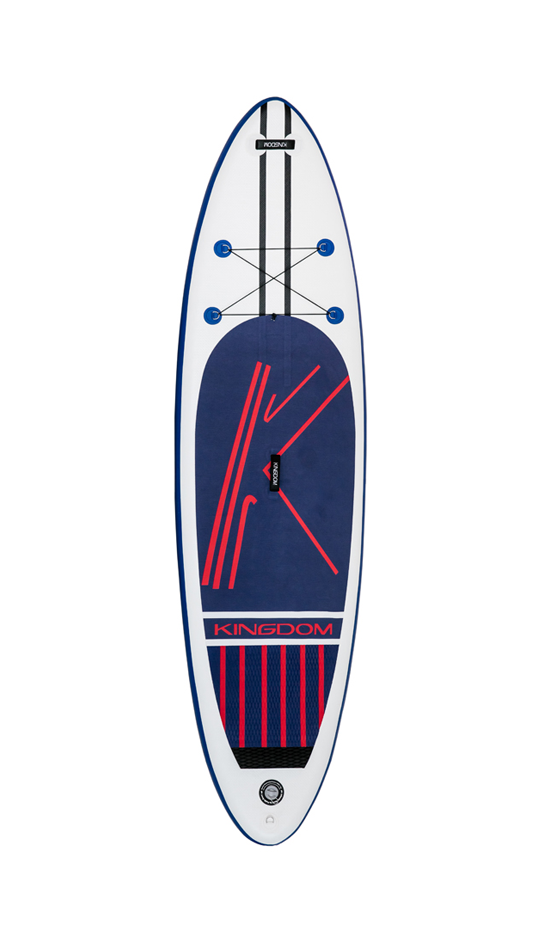
Kayaks have dedicated waterways on the water surface for athletes to enter the competition area or training area. The competition distances for Olympic kayak stillwater events are 1000 meters and 500 meters. The competition uses 9 lanes, each 9 meters wide; the layout of the competition venue must comply with the "A1-BANO" system stipulated in the rules. At the Olympics, automatic timing systems and electronic timing systems will be used. One of the important facilities in the venue is the finish tower. This is the core area of the competition, usually four or five stories high, serving as the finish timing system operating room, finish referee room, arbitration room, and competition committee. Terminal camera room, projection room, media camera room, etc. Usually, the VIP area is located next to the finish tower, making it convenient to watch the athletes cross the finish line.
Another important kayak facility is the boat house. The boat house is usually located near the upstream and downstream docks, close to the athlete activity area and other competition facilities. Kayaks are usually stored on racks, and there are two types: open and closed. During the competition, kayaks can also be parked outside. The kayak rudder is an attachment on the kayak. It is a simple device for controlling the direction of the kayak, including the rudder blade, rudder wheel, rudder rope, rudder handle, etc. The rudder rod objectively exists on the athlete's footrest. The athlete supports the footrest with their feet while paddling. When the kayak needs to turn, he or she moves the rudder rod with their feet, and the rudder rod rotates around a fixed axis. When the "d"-shaped rudder handle rotates, it moves the rudder rope, pulling the wheel connected to the other end of the rudder rope. The wheel is firmly fixed to the rudder of the boat, so the rudder rope actually pulls the rudder blade to turn the kayak. The competition rules stipulate that if the hull length is extended due to the rudder, the thickness of the blade is limited. The blade thickness of single kayaks and double kayaks shall not exceed 10 mm, and that of four-person kayaks shall not exceed 12 mm. The track is 250-400 meters long. The measurement standard is the smaller value in the middle of the waterway between the starting line and the finish line; the minimum average width of the track is 8 meters, the drop is generally greater than 5 meters, and the water depth is greater than 0.6 meters. The warm-up and relaxation waters are usually in the starting area or the finishing area. There are fixed and movable obstacles on the track. According to the requirements of training and competition, obstacles can be combined into many different forms. During the competition, 18 to 25 gates are set up on the track. Part of them are gates in the direction of the water flow, and the other part is gates against the water flow. At least 6 to 7 reverse gates, athletes do not need to touch the gate pole during the competition, successfully passing the specified gates and reverse gates.
The gate consists of two protruding poles. The gate poles are painted green and white, the anti-wave gate poles are painted red and white, and the bottom is painted white. The gate width refers to the distance between the two gate posts, which is between 1.2 meters and 4 meters. The gate posts are round, 1.6 meters to 2 meters long, and 3.5 cm to 5 cm in diameter. It has sufficient weight, so it will not swing much when the wind blows. The lower end of the gate post is about 20 cm high from the water surface, so it should not contact the water. Athletes need to pass the gates in the order of the gate numbers. The gate number plate is 30 cm long and 30 cm wide, with a yellow or white background, the gate number is 20 cm high, and written in black paint on both sides.
Other News
Soft Top Inflatable Surfboards: The Ultimate Family-Friendly Water Sport Gear
Soft Top Inflatable Surfboards: The Ultimate Family-Friendly Water Sport Gear Introduction to Soft Top Inflatable Surfboards In the realm of water sports, **soft-top inflatable surfboards** have emerged as a popular choice for families. Unlike traditional hard surfboards, these inflatable options are designed with safety, ease of use, and versatility in mind. They offer an excellent way for famili
The Ultimate Guide to Lightweight Inflatable Kayak Boats: Freedom on Water
Lightweight inflatable kayak boats have gained immense popularity among water sports enthusiasts and casual adventurers alike. Their innovative design combines the comfort of traditional kayaks with the convenience of portability, making them ideal for a variety of water activities, from serene lake paddling to challenging river excursions. This guide will delve into the numerous advantages that t
Get Ready for Waves: Inflatable Surfboards for Teen Enthusiasts
Get Ready for Waves: Inflatable Surfboards for Teen Enthusiasts Table of Contents Understanding Inflatable Surfboards Why Choose Inflatable Surfboards for Teens? Key Features to Look for in Inflatable Surfboards Top Inflatable Surfboards for Teen Enthusiasts Safety Tips for Surfing with Inflatable Boards Caring for Your Inflatable Surfboard Surfing Techniques for Begin
Choosing a Durable PVC Kayak for Beginners: Essential Insights
When starting your journey into kayaking, selecting the right watercraft can significantly enhance your experience. A durable PVC kayak stands out as an excellent choice for beginners, offering both resilience and ease of use. PVC, or polyvinyl chloride, is a popular material in the production of inflatable kayaks due to its strength and flexibility. Here are several reasons why a durable PVC kaya
Inflatable Surfboards for Adults: The Ultimate Guide to Enjoying Water Sports
Inflatable Surfboards for Adults: The Ultimate Guide to Enjoying Water Sports Table of Contents 1. Introduction to Inflatable Surfboards 2. Benefits of Using Inflatable Surfboards 3. How to Choose the Right Inflatable Surfboard 4. Key Features of Inflatable Surfboards 5. How to Properly Inflate and Deflate Your Surfboard 6. Essential Safety Tips for Surfing 7. Maintena
The Advantages of Soft Top Inflatable Surfboards: A Guide for Water Sports Enthusiasts
Soft top inflatable surfboards have rapidly gained popularity among water sports enthusiasts, offering a unique combination of convenience, safety, and performance. Whether you're a beginner looking to catch your first wave or an experienced surfer seeking a portable solution, understanding the advantages of soft top inflatable surfboards can help you make informed decisions. ### Portability and C
Can't find the product you need?
Please contact us to provide you with satisfactory products and become a reliable supplier and service provider in the industry

Contact Information
Contact Number:
Contact Email:
Contact Address:
Sunjiatan Industrial Park, Yangting Town, Huancui District, Weihai City
Mobile Website
Scan the code to add WeChat
E-mail:
Contact:
在线客服添加返回顶部
页面顺滑的滚动
右侧在线客服样式 1,2,3 3
图片alt标题设置: Weihai Kingdom Sup co., Ltd
表单验证提示文本: Content cannot be empty!
循环体没有内容时: Sorry, no matching items found.
CSS / JS 文件放置地